📚 Get All Your Required Books At Your DoorStep 🚪 Within 24 Hours ⏱️ Cash On Delivery 💵 Available
📚 Get All Your Required Books At Your DoorStep 🚪 Within 24 Hours ⏱️ Cash On Delivery 💵 Available
📚 Get All Your Required Books At Your DoorStep 🚪 Within 24 Hours ⏱️ Cash On Delivery 💵 Available
📚 Get All Your Required Books At Your DoorStep 🚪 Within 24 Hours ⏱️ Cash On Delivery 💵 Available
📚 Get All Your Required Books At Your DoorStep 🚪 Within 24 Hours ⏱️ Cash On Delivery 💵 Available
📚 Get All Your Required Books At Your DoorStep 🚪 Within 24 Hours ⏱️ Cash On Delivery 💵 Available
📚 Get All Your Required Books At Your DoorStep 🚪 Within 24 Hours ⏱️ Cash On Delivery 💵 Available
📚 Get All Your Required Books At Your DoorStep 🚪 Within 24 Hours ⏱️ Cash On Delivery 💵 Available
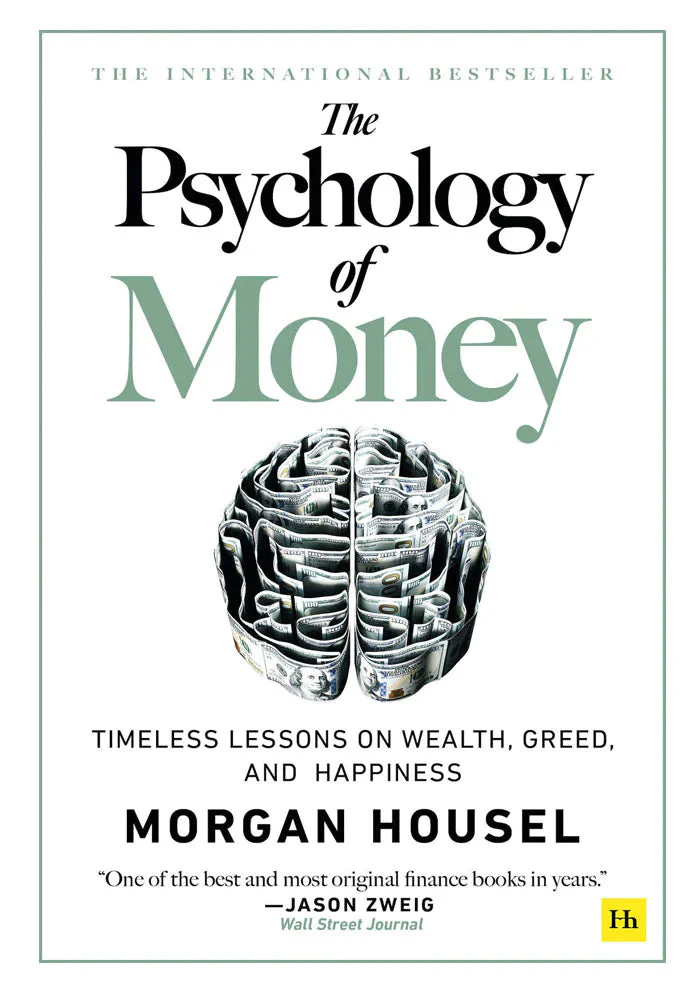
A book description for Morgan Housel’s The Psychology of Money should highlight its unconventional approach to personal finance. Instead of focusing on technical strategies, it explores the human behaviors, biases, and mindsets that truly drive our financial decisions, often with profound consequences.
Here are a few options for the description, varying in length and emphasis.
Option 1 (Short and impactful)
Headline: Managing money isn’t about what you know. It’s about how you behave.
Body: We all think about money differently. In The Psychology of Money, award-winning author Morgan Housel shares 19 short stories exploring the strange ways people think about money and teaches you how to make better sense of one of life’s most important topics. This isn’t just about financial advice; it’s about understanding why smart people do irrational things with their money—and how you can avoid the same traps. A must-read for anyone who wants to rethink their relationship with money and build lasting wealth.
Option 2 (Detailed and thematic)
Headline: True wealth is not a formula. It’s a mindset forged by history, psychology, and a deep understanding of human nature.
Body: Traditional financial advice often operates on a logical premise: make rational decisions, analyze data, and build formulas. But in the real world, people don’t make financial decisions on spreadsheets; they make them around the dinner table, in their feelings, and influenced by their unique personal histories.
Morgan Housel, a respected financial writer, delivers a fresh, insightful perspective in The Psychology of Money. Through 19 short, engaging stories, he illuminates the hidden biases and irrational behaviors that shape our relationship with money, showing how:
Your own experiences, not just education, dictate your financial views.
“Enough” is a powerful concept that many wealthy people fail to grasp.
Compounding is unintuitive, and patience is the ultimate financial superpower.
Luck and risk play a far greater role than we acknowledge.
This book offers profound lessons on wealth, greed, happiness, and risk. It’s a rare financial guide that prioritizes understanding yourself over mastering complex calculations, making it essential reading for investors, savers, and anyone looking to cultivate a healthier, more successful financial life.
Option 3 (Benefit-driven)
Headline: Stop chasing the market. Start mastering yourself.
Body: Why do some people, despite their intelligence, make poor financial decisions, while others, with less formal education, build fortunes? The answer, according to Morgan Housel, lies in behavior, not brains.
The Psychology of Money unpacks the counterintuitive truths about wealth creation and preservation. You’ll discover:
Why the “best” financial decision isn’t always the rational one.
How to build genuine wealth by understanding biases like envy and overconfidence.
The surprising power of simple habits over complex strategies.
How to achieve financial peace of mind, regardless of market volatility.
This is the antidote to dry financial theory, offering timeless lessons in psychology that will equip you to make wiser, more confident money decisions throughout your life.








Reviews
Clear filtersThere are no reviews yet.